Staying physically active is essential for a healthy lifestyle. Regular exercise strengthens the heart and lungs, builds muscle, and increases overall stamina. People who engage in consistent physical activity often experience higher energy levels and improved daily performance. Exercise also plays an important role in reducing the risk of chronic diseases like obesity, diabetes, and heart problems, while promoting both physical and emotional well-being.
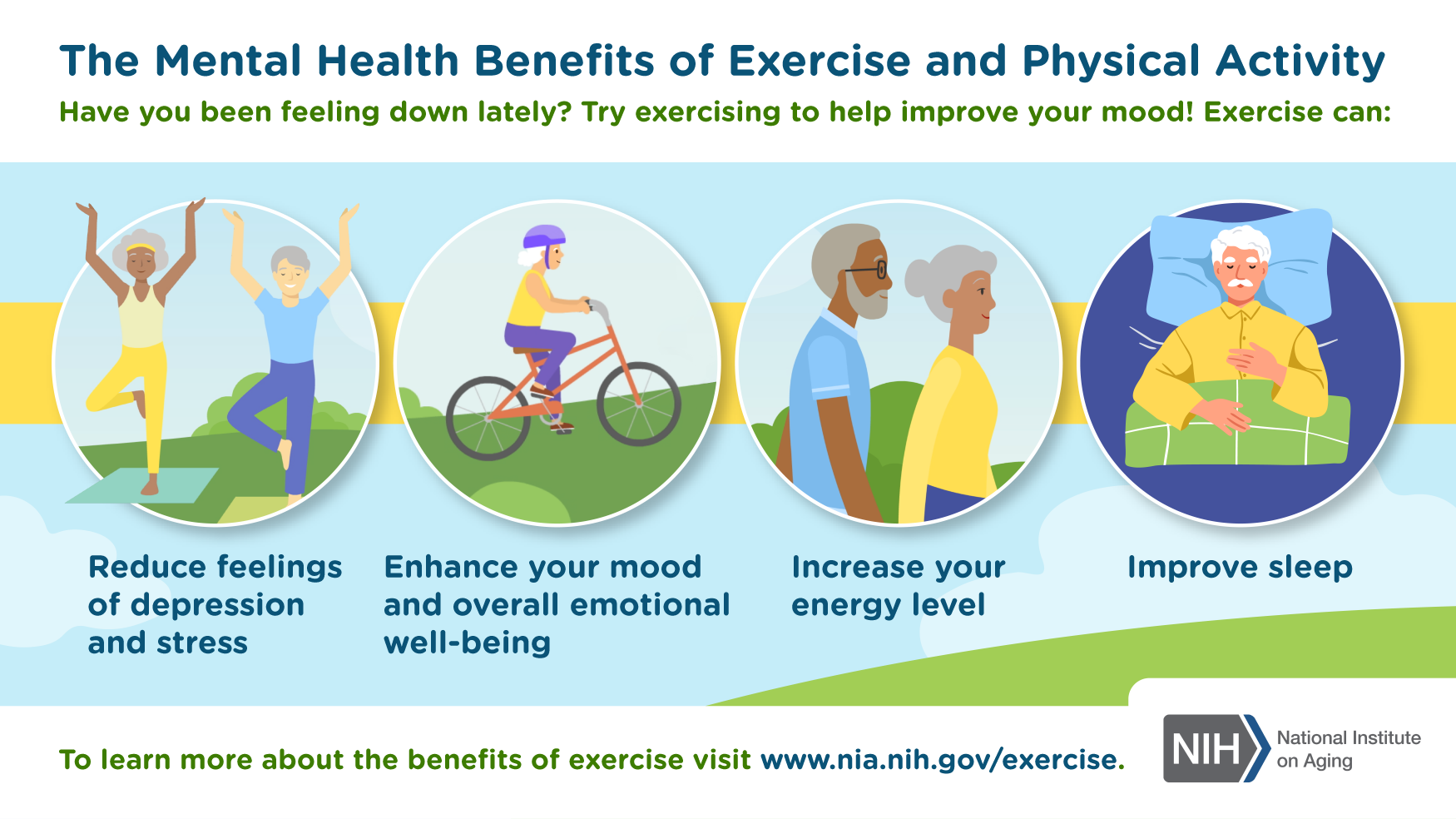
Beyond the physical advantages, exercise has a positive effect on mental health. Activities such as running, swimming, or even walking can lower stress and ease feelings of anxiety and depression by triggering the release of endorphins. These natural chemicals in the brain boost mood and promote relaxation. Consistent physical activity can also lead to better sleep, which is vital for maintaining overall health.
Exercise can encourage social interaction and a sense of community. Many people join fitness classes, sports teams, or workout groups, allowing them to meet others who share similar goals. Exercising with peers provides motivation, accountability, and support. Being part of a group can make workouts more enjoyable and help individuals stay committed to their fitness routines.
There are various types of exercise to incorporate into a balanced routine. Cardiovascular activities such as jogging, swimming, or cycling improve heart and lung health. Strength training, including lifting weights or resistance exercises, builds and tones muscles. Flexibility exercises like yoga or stretching increase mobility and prevent injury. Combining all these forms of exercise ensures the best overall benefits for both body and mind.
Source: CDC Physical Activity